
Loading form...
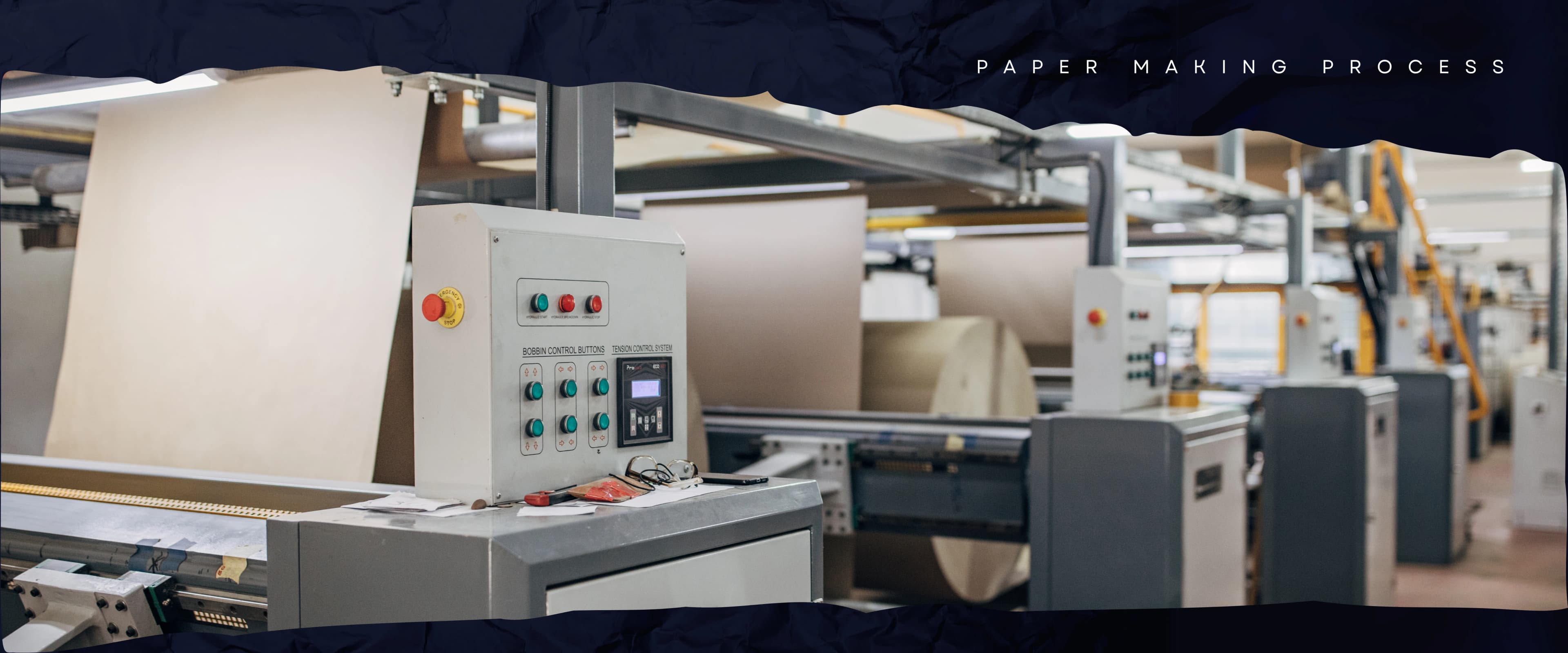
Paper is an indispensable product derived primarily from cellulose, a carbohydrate found in plant cell walls. Cellulose fibers are pressed and bonded to form thin, uniform sheets, which we know as paper. At Nessco, we excel in producing high-quality paper products using advanced processes and sustainable practices. Here's a detailed look at how we manufacture paper:
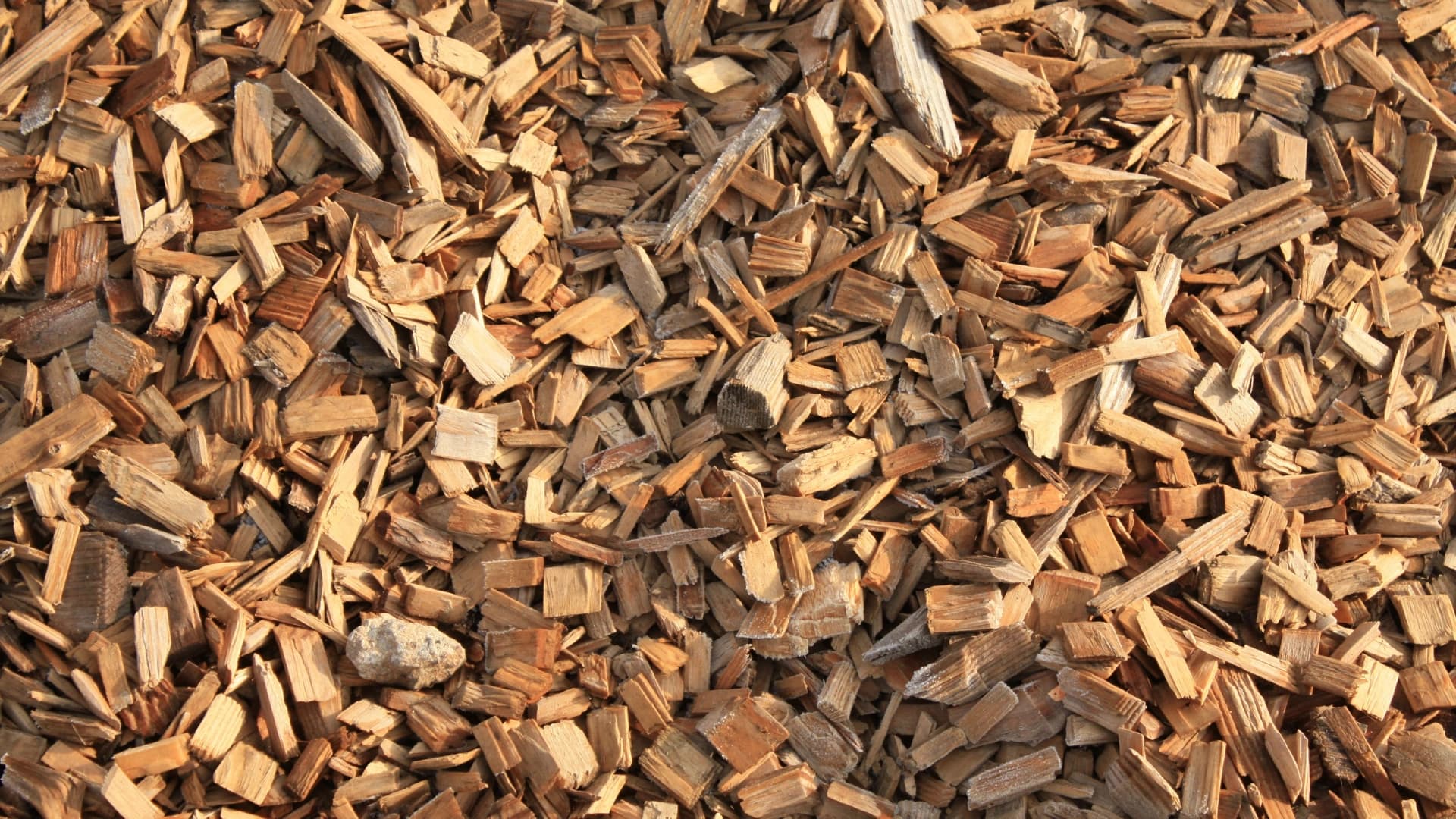
The process begins with pulpwood, which is carefully prepared for further stages. Logs are cleaned, debarked, and cut into wood chips of uniform size. This step ensures optimal quality and consistency before the pulping stage begins.
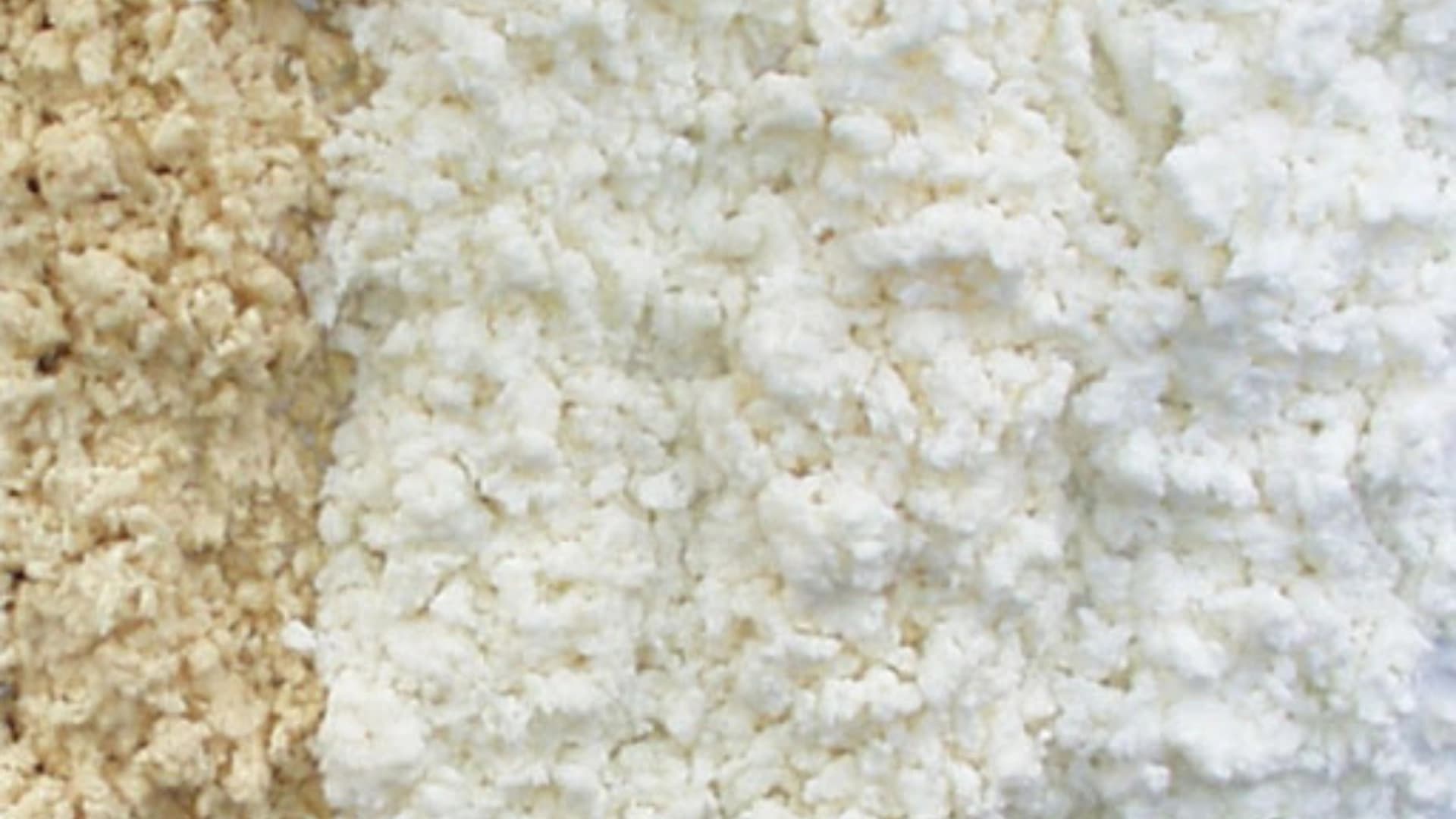
Wood chips undergo a transformation into pulp through the Thermo-Mechanical Pulping (TMP) process. This involves a series of steps that refine the material while preserving its strength and quality:
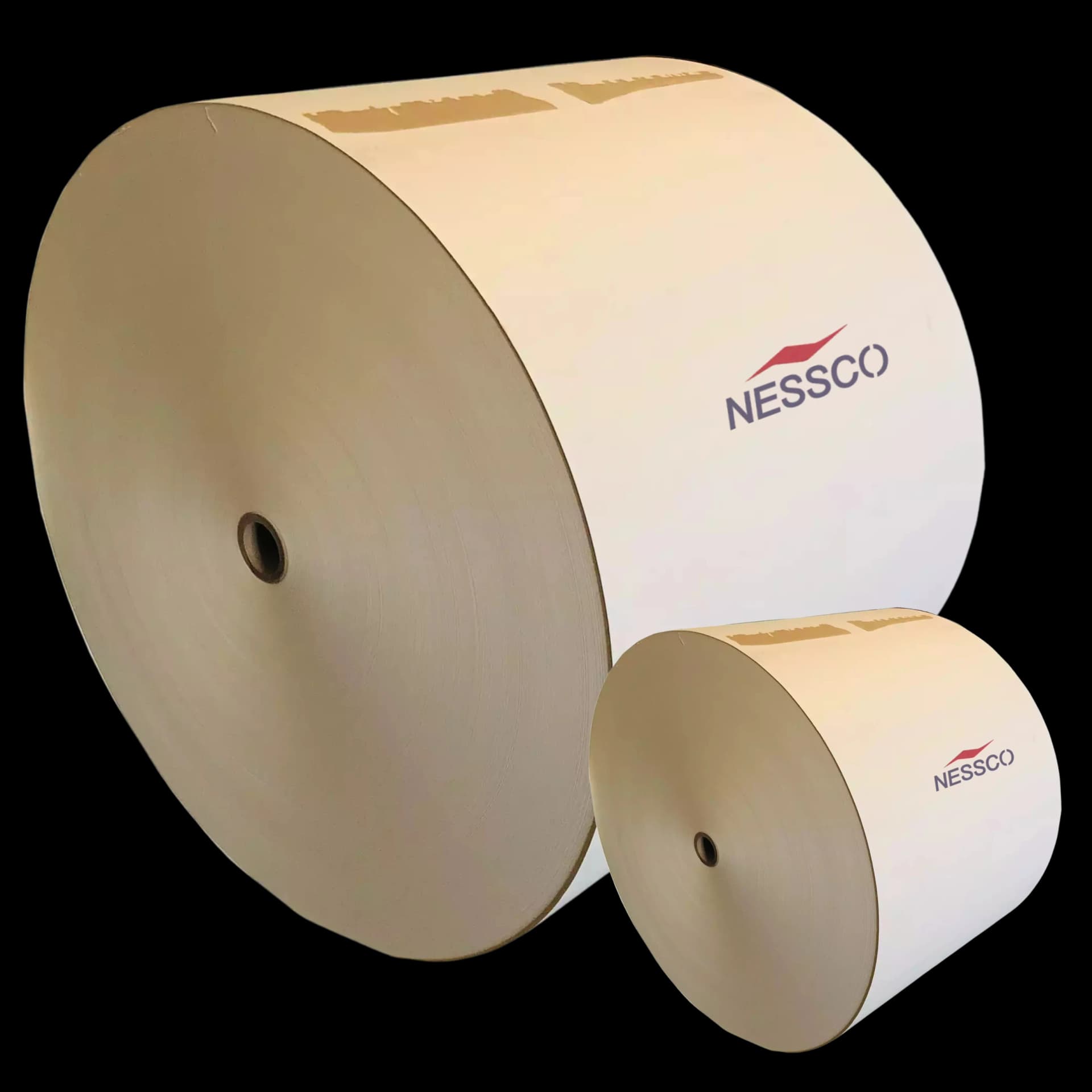
The final stage is the conversion of pulp into finished paper. This process is rapid and efficient, ensuring high output without compromising quality:
| Paper Type | Features | Applications |
|---|---|---|
| Cup Stock Board | Durable, optimal stiffness | Used in manufacturing paper cups |
| Packaging Paper | Strong, reliable | Ideal for packaging goods |
| Tissue Board | Soft, lightweight | Hygiene and tissue products |
| Art Paper | Smooth, shiny surface | Premium printing and graphic applications |
| Specialty Papers | Tailored for specific performance requirements | Niche applications like industrial uses |
Nessco is committed to sustainability in every aspect of paper production. Our processes maximize the use of renewable resources and minimize waste, ensuring an eco-friendly approach to manufacturing. By incorporating cutting-edge technology, we ensure that our paper products meet the highest industry standards for quality, strength, and usability.